

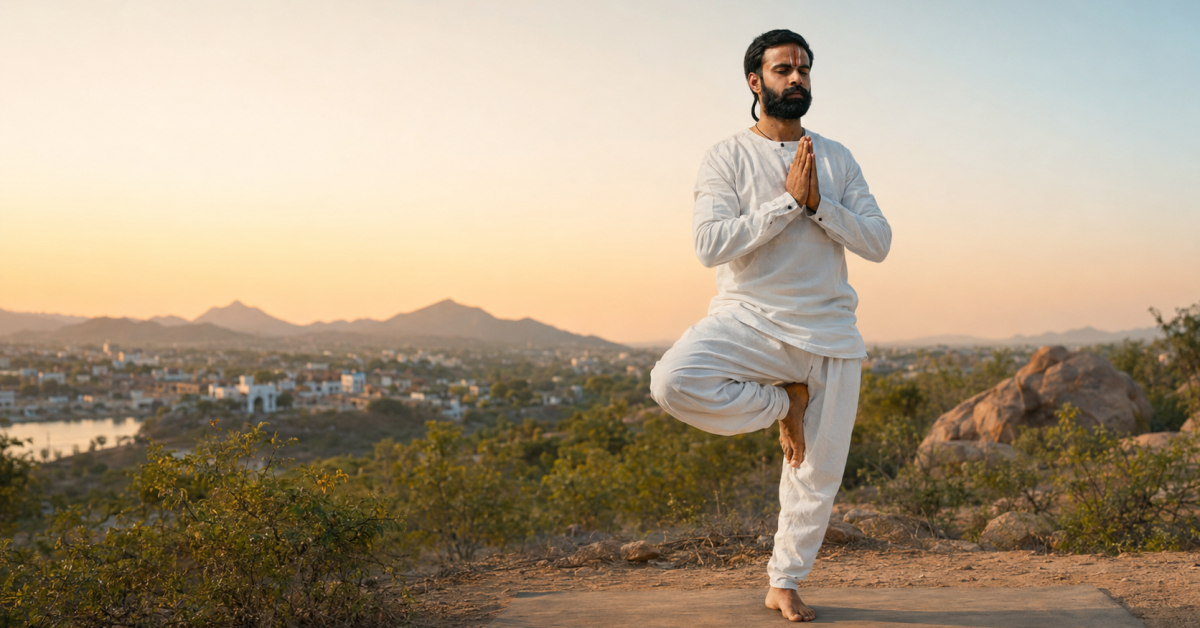
Starting your day with yoga is one of the healthiest habits you can build. A gentle morning practice wakes up your body, clears your mind, and prepares you for the day ahead. If you’re looking for the Best Morning Yoga Routine for Beginners, the key is to keep the practice simple, consistent, and mindful rather than challenging.
At Sanatan Yog, morning yoga follows the traditional Hatha Yoga approach, where movement, breath, and awareness work together. Instead of rushing through poses, each step helps improve flexibility, concentration, and overall well-being while creating a peaceful start to the day.
Why Is Morning the Best Time to Practice Yoga?
Morning is considered the ideal time for yoga because both the body and mind feel refreshed after a good night’s sleep. Practicing early helps improve circulation, reduce stiffness, and create positive energy before daily responsibilities begin.
A consistent morning routine also supports better focus, healthier habits, and emotional balance throughout the day.
A Fresh Mind Learns Better
The early hours are naturally quieter, making it easier to concentrate on breathing and movement. Without the distractions of a busy schedule, beginners can build a stronger connection with their practice.
How Should Beginners Prepare Before Morning Yoga?
Preparation plays an important role in making your practice comfortable and effective. Wear loose clothing, choose a quiet place with enough space, and use a yoga mat for better support. Try to practice on an empty stomach or wait a few hours after a meal.
Taking a few deep breaths before starting also helps calm the mind and prepares the body for movement.
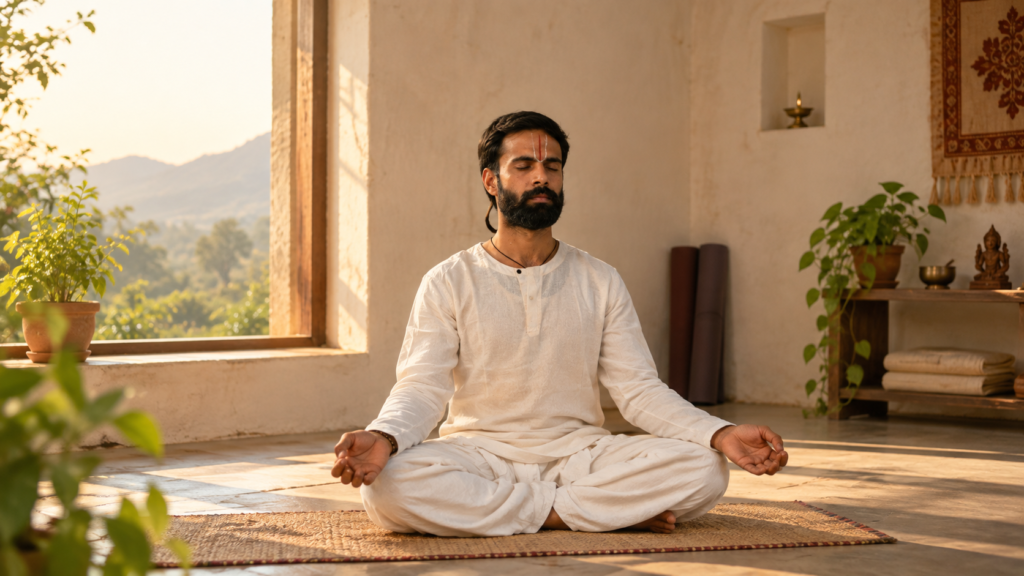
Simple Preparation Creates Better Results
You do not need expensive equipment or advanced skills. A peaceful environment, comfortable clothing, and a positive mindset are enough to begin your yoga journey with confidence.
Morning Yoga Preparation Checklist
| Preparation | Why It Matters |
|---|---|
| Practice on an empty stomach | Helps you move comfortably |
| Wear comfortable clothing | Allows free movement |
| Use a yoga mat | Improves stability and grip |
| Choose a quiet space | Reduces distractions |
| Keep water nearby | Stay hydrated after practice |
Step 1: Begin with Mindful Breathing
Every Best Morning Yoga Routine for Beginners should start with calm breathing instead of physical movement. Sit comfortably, close your eyes, and take slow, deep breaths through your nose. This simple habit helps relax the nervous system and prepares your body for yoga.
Mindful breathing also improves concentration and allows you to become fully present before beginning your practice.
Focus on Natural Breathing
Avoid forcing your breath. Simply inhale slowly, exhale gently, and let your breathing become smooth and steady. Even two minutes of conscious breathing can make the entire practice more effective.
Step 2: Gentle Neck and Shoulder Warm-Up
Before moving into yoga poses, gently loosen your neck and shoulders. Slow neck rotations and shoulder rolls help release stiffness that often develops during sleep. These simple movements also improve circulation and reduce unnecessary tension.
A proper warm-up prepares your muscles and joints, making the rest of your practice feel smoother and safer.
Move Slowly Without Strain
Do not rush through the warm-up. Gentle and controlled movements help your body wake up naturally while reducing the risk of discomfort during yoga.
Step 3: Mountain Pose (Tadasana)
Mountain Pose is one of the simplest yet most important yoga postures for beginners. Stand tall with your feet together, relax your shoulders, and keep your breathing steady. This pose improves posture, balance, and body awareness while creating a strong foundation for the rest of the practice.
Although it looks simple, Tadasana teaches proper alignment and encourages mindful standing.
Build Stability from the Beginning
Practicing Mountain Pose every morning helps improve posture and balance over time. It also increases confidence before moving into more active yoga postures.
Step 4: Cat-Cow Stretch (Marjaryasana-Bitilasana)
After warming up, move into the Cat-Cow Stretch to improve spinal flexibility. Begin on your hands and knees, then gently alternate between arching and rounding your back while matching each movement with your breath. This simple exercise releases stiffness and prepares the body for the next poses.
Improve Spinal Mobility Naturally
Cat-Cow Stretch helps increase flexibility in the spine while reducing tension in the neck and lower back. It also improves posture and encourages smooth, controlled breathing throughout the practice.
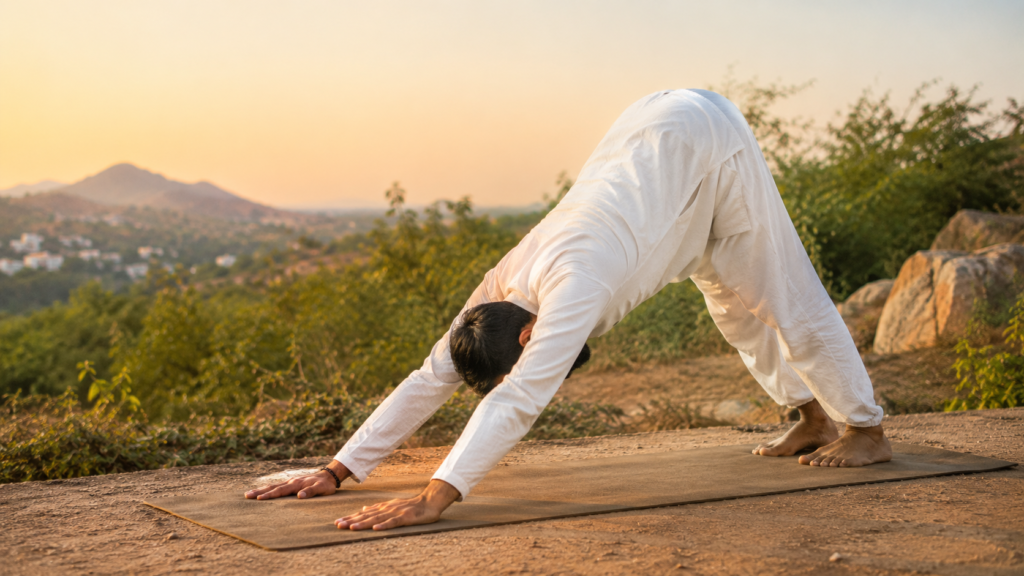
Step 5: Downward-Facing Dog (Adho Mukha Svanasana)
The Best Morning Yoga Routine for Beginners should include Downward-Facing Dog because it stretches the entire body. This pose gently lengthens the spine, strengthens the shoulders, and improves blood circulation after a night’s rest.
Take slow breaths and keep your knees slightly bent if your hamstrings feel tight. Comfort is more important than perfection.
Wake Up the Entire Body
This posture activates multiple muscle groups at once, helping you feel energized and ready for the day. With regular practice, flexibility and balance gradually improve.
Step 6: Cobra Pose (Bhujangasana)
Cobra Pose gently opens the chest and strengthens the back muscles. Lie on your stomach, place your hands beside your chest, and slowly lift your upper body while keeping your shoulders relaxed. Avoid pushing beyond your comfort level.
This pose is especially helpful for people who spend long hours sitting at a desk or using electronic devices.
Open the Chest and Improve Posture
Practicing Cobra Pose every morning helps improve spinal flexibility while encouraging better posture. It also creates space in the chest, making breathing feel easier and more natural.
Step 7: Child’s Pose (Balasana)
Child’s Pose allows the body to relax after gentle backbends and stretching. Sit back on your heels, extend your arms forward, and rest your forehead on the mat. Slow, deep breathing helps release physical and mental tension.
This calming posture gives beginners a chance to recover while staying connected with their breath.
Relax Before Moving Forward
Taking a short pause in Child’s Pose helps slow the heart rate and prepares the body for the final part of the morning routine. It also promotes a sense of comfort and relaxation.
Step 8: Easy Seated Twist
Sit comfortably with your legs crossed and gently twist your upper body to one side before repeating on the other. Keep your spine tall and move slowly without forcing the stretch. This gentle twist improves mobility while reducing stiffness around the waist and back.
Controlled breathing during the movement makes the stretch more comfortable and effective.
Gentle Twists Refresh the Spine
A seated twist supports healthy spinal movement and encourages better posture. It also helps the body feel lighter before ending the practice.
Beginner Morning Yoga Sequence
| Step | Pose | Duration | Main Benefit |
|---|---|---|---|
| 1 | Mindful Breathing | 2 Minutes | Improves focus and relaxation |
| 2 | Neck & Shoulder Warm-Up | 3 Minutes | Reduces stiffness |
| 3 | Mountain Pose | 2 Minutes | Builds posture and balance |
| 4 | Cat-Cow Stretch | 3 Minutes | Improves spinal flexibility |
| 5 | Downward-Facing Dog | 2 Minutes | Stretches the whole body |
| 6 | Cobra Pose | 2 Minutes | Strengthens the back |
| 7 | Child’s Pose | 2 Minutes | Promotes relaxation |
| 8 | Easy Seated Twist | 2 Minutes | Improves spinal mobility |
Should Beginners Practice Every Morning?
Yes. A short daily session is far more effective than practicing only once or twice a week. Even 20–30 minutes each morning can improve flexibility, posture, breathing, and mental clarity over time.
Consistency Is More Important Than Intensity
You do not need advanced poses to experience the benefits of yoga. Practicing with patience and proper technique creates steady progress while making the routine enjoyable and sustainable.
Step 9: Practice Simple Pranayama
No Best Morning Yoga Routine for Beginners is complete without mindful breathing. After finishing the yoga poses, sit comfortably and practice simple deep breathing for a few minutes. Inhale slowly through your nose, then exhale gently without forcing your breath.
This practice helps the body absorb more oxygen while calming the nervous system and preparing the mind for meditation.
Let Your Breath Guide You
Focus on smooth and natural breathing instead of taking very deep breaths. As your breathing becomes steady, you will notice greater relaxation, improved concentration, and a calmer state of mind.
Step 10: End with a Five-Minute Meditation
Meditation is the final step in a traditional morning yoga routine. Sit comfortably with your spine straight, close your eyes, and observe your natural breathing. Let your thoughts come and go without trying to control them.
Even five minutes of quiet meditation can improve mental clarity and create a positive mindset for the rest of the day.
Finish with Gratitude
Before opening your eyes, take a moment to appreciate your practice. This simple habit encourages mindfulness and helps you begin the day with confidence and inner peace.
Common Mistakes Beginners Should Avoid
Many beginners make small mistakes that reduce the benefits of yoga. Avoiding these habits helps you build a safer and more enjoyable practice from the beginning.
Practice with Patience
Do not compare yourself with others or rush into advanced poses. Listen to your body, breathe naturally, and focus on steady progress instead of perfection.
Beginner Mistakes and Better Alternatives
| Common Mistake | Better Practice |
|---|---|
| Skipping the warm-up | Spend 3–5 minutes warming up |
| Holding the breath | Keep breathing naturally throughout each pose |
| Practicing after a heavy meal | Practice on an empty stomach or after digestion |
| Rushing through poses | Move slowly with awareness |
| Ignoring discomfort | Stop if you feel pain and adjust the posture |
| Practicing inconsistently | Build a regular morning routine |
Benefits of Following This Morning Routine Every Day
Following the Best Morning Yoga Routine for Beginners every day creates positive changes that extend beyond the yoga mat. A consistent routine improves flexibility, strengthens muscles, supports better posture, and increases natural energy without placing unnecessary stress on the body.
Regular practice also encourages better focus, emotional balance, and healthier daily habits, making it easier to manage work, studies, and personal responsibilities.
Small Daily Efforts Create Lasting Results
You do not need long or difficult sessions to experience meaningful benefits. Even twenty to thirty minutes of mindful practice each morning can improve your physical health while creating greater mental clarity and emotional stability over time.
Benefits of a Daily Morning Yoga Routine
| Daily Practice | Long-Term Benefit |
|---|---|
| Mindful breathing | Better concentration and relaxation |
| Gentle stretching | Improved flexibility and mobility |
| Standing poses | Better posture and balance |
| Back-strengthening poses | Stronger spine and core muscles |
| Meditation | Greater mental clarity and emotional balance |
| Consistent routine | Healthy lifestyle and improved discipline |
Why Practice Morning Yoga at Sanatan Yog?
At Sanatan Yog, morning yoga follows authentic Hatha Yoga principles that combine movement, pranayama, meditation, and yogic philosophy into one complete practice. Every session is designed to help beginners develop confidence while learning correct techniques under experienced guidance.
Students practice in a peaceful environment where every class supports physical health, mental well-being, and personal growth. Whether your goal is better flexibility, stress relief, or a healthier lifestyle, Sanatan Yog provides a strong foundation for your yoga journey.
Frequently Asked Questions
A daily practice of 20 to 30 minutes is enough for most beginners. As your flexibility and confidence improve, you can gradually increase the duration.
Yes. Morning yoga is generally best practiced on an empty stomach. If needed, drink a glass of water before beginning your session.
Yes. Gentle daily practice helps improve flexibility, posture, breathing, and overall well-being. Consistency is more important than practicing difficult poses.
Traditional Hatha Yoga is one of the best choices because it focuses on simple postures, mindful breathing, and gradual progress.
Meditation is highly recommended because it helps calm the mind, improves concentration, and completes the traditional yoga practice.
Conclusion
Building the Best Morning Yoga Routine for Beginners does not require advanced poses or long training sessions. What matters most is practicing with consistency, proper breathing, and mindful awareness. A balanced routine that includes gentle stretching, Hatha Yoga postures, pranayama, and meditation helps improve physical strength, mental clarity, and emotional well-being over time.
If you want to begin your day with authentic guidance, Sanatan Yog offers traditional Hatha Yoga classes designed for beginners and experienced practitioners alike. With expert teachers and a peaceful learning environment, you can build a morning practice that supports lasting health, confidence, and inner balance.
