

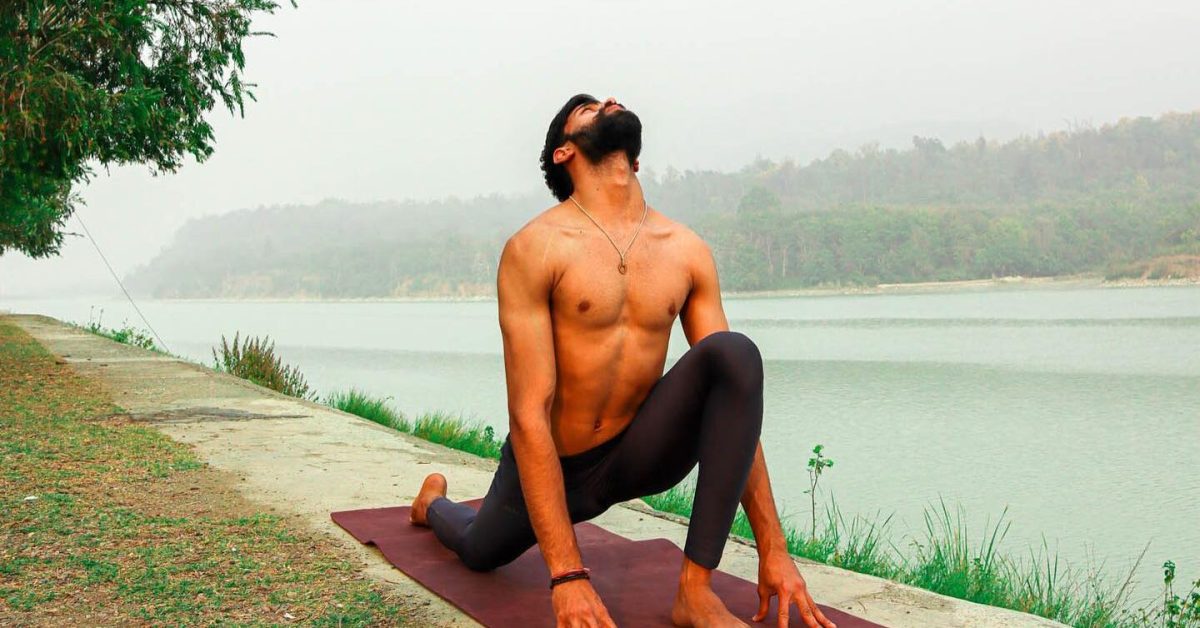
For centuries, Surya Namaskar has been an integral part of traditional yoga. More than a sequence of physical movements, it combines posture, breathing, awareness, and rhythm into one complete practice. Whether your goal is to improve flexibility, build strength, increase mobility, or simply begin your day with positive energy, this timeless yoga sequence offers benefits for both the body and the mind.
Today, people of all ages practise this ancient routine as part of their wellness journey. When performed with proper technique and mindful breathing, it supports healthy movement patterns, improves posture, and develops greater body awareness. At Sanatan Yog, students learn the traditional method through experienced guidance, ensuring every movement is safe, balanced, and meaningful.
What Is Surya Namaskar?
Surya Namaskar is a traditional sequence of twelve yoga postures performed in a smooth flow with coordinated breathing. In Sanskrit, Surya means Sun, while Namaskar means greeting or offering respect. Traditionally, practitioners performed this sequence at sunrise as a way of beginning the day with gratitude and renewed energy.
Although many people see it as a form of exercise, this practice is much more than a workout. Each posture connects naturally with the breath, creating harmony between physical movement and mental focus. This balanced approach makes it suitable for beginners as well as experienced yoga practitioners.
More Than a Physical Routine
Unlike exercises that focus on only one muscle group, this complete yogic sequence encourages full-body movement while promoting calmness and concentration.
Why Has This Traditional Practice Remained Popular?
One of the reasons this ancient sequence has remained relevant for generations is its simplicity. It requires very little space or equipment, making it accessible for people of different ages and fitness levels.
The flowing movements stretch and strengthen the body at the same time. Gentle backbends, forward folds, balancing positions, and controlled transitions work together to improve coordination, flexibility, and mobility without placing unnecessary strain on the joints.
A Practice That Fits Modern Life
Whether practised at home, in a yoga studio, or at a traditional ashram, this sequence can easily become part of a healthy daily routine.
Benefits of This Traditional Yoga Sequence
Regular practice offers much more than physical fitness. It supports healthy movement, improves posture, encourages mindful breathing, and promotes overall well-being. When combined with a balanced lifestyle, it becomes an effective way to stay active and develop long-term healthy habits.
Many practitioners also appreciate the sense of focus and relaxation that follows a mindful session, making it an ideal way to begin the day.
Key Benefits at a Glance
| Benefit | How It Helps |
|---|---|
| Better Flexibility | Improves joint and muscle mobility |
| Increased Strength | Engages the arms, legs, back, and core |
| Healthy Posture | Encourages proper spinal alignment |
| Improved Balance | Develops stability and coordination |
| Better Breathing | Promotes breath awareness |
| Higher Energy Levels | Helps the body feel refreshed |
| Mental Calm | Supports relaxation and focus |
| Better Body Awareness | Encourages mindful movement |
The 12 Steps of Surya Namaskar
Every round follows a fixed order of twelve traditional postures. Learning the sequence slowly allows beginners to understand proper alignment before increasing speed or repetitions.
| Step | Sanskrit Name | English Name |
|---|---|---|
| 1 | Pranamasana | Prayer Pose |
| 2 | Hasta Uttanasana | Raised Arms Pose |
| 3 | Padahastasana | Standing Forward Bend |
| 4 | Ashwa Sanchalanasana | Equestrian Pose |
| 5 | Phalakasana | Plank Pose |
| 6 | Ashtanga Namaskara | Eight-Point Salute |
| 7 | Bhujangasana | Cobra Pose |
| 8 | Adho Mukha Svanasana | Downward Facing Dog |
| 9 | Ashwa Sanchalanasana | Equestrian Pose |
| 10 | Padahastasana | Standing Forward Bend |
| 11 | Hasta Uttanasana | Raised Arms Pose |
| 12 | Pranamasana | Prayer Pose |
Breathing During Surya Namaskar
Proper breathing is one of the most important aspects of Surya Namaskar. Every posture is performed with either an inhalation or an exhalation, allowing the body to move naturally without unnecessary tension.
Instead of rushing through the sequence, focus on maintaining slow, steady breaths. This rhythm helps improve concentration, supports relaxation, and allows each movement to feel controlled and balanced.
Let Your Breath Guide Every Movement
When movement and breathing stay connected, the practice becomes more effective, more enjoyable, and easier to sustain over time.
Why Beginners Should Learn from a Qualified Yoga Teacher
Although the sequence appears simple, correct posture and alignment are essential. Learning from an experienced instructor helps beginners understand safe movement patterns, proper breathing, and smooth transitions between each posture.
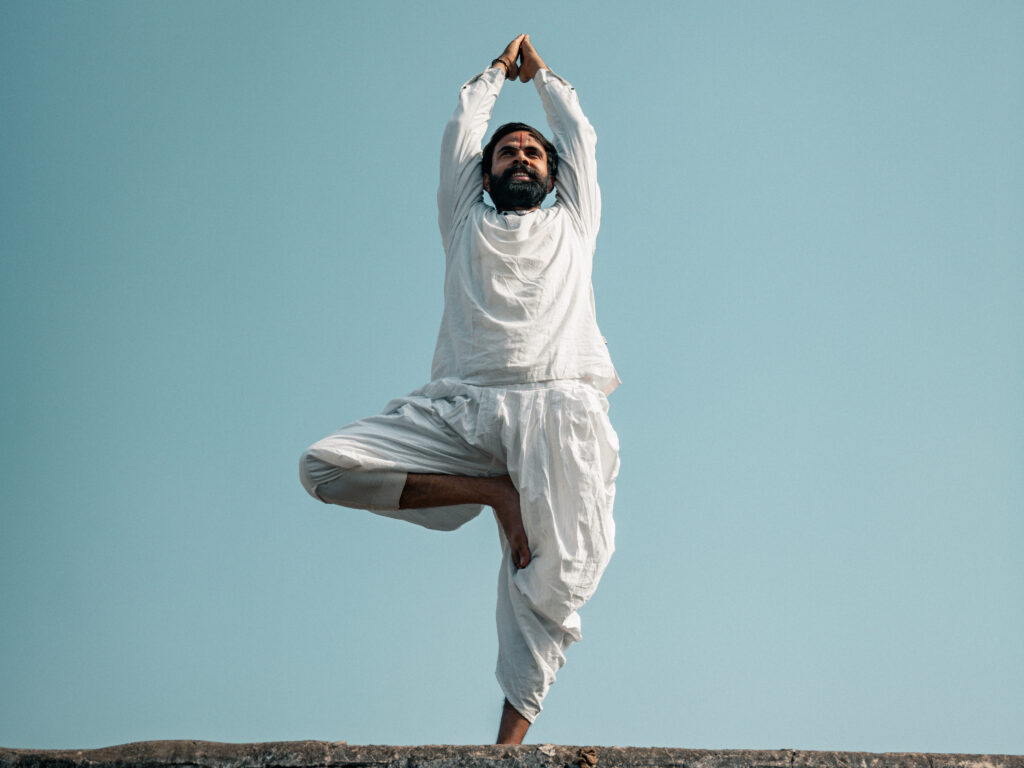
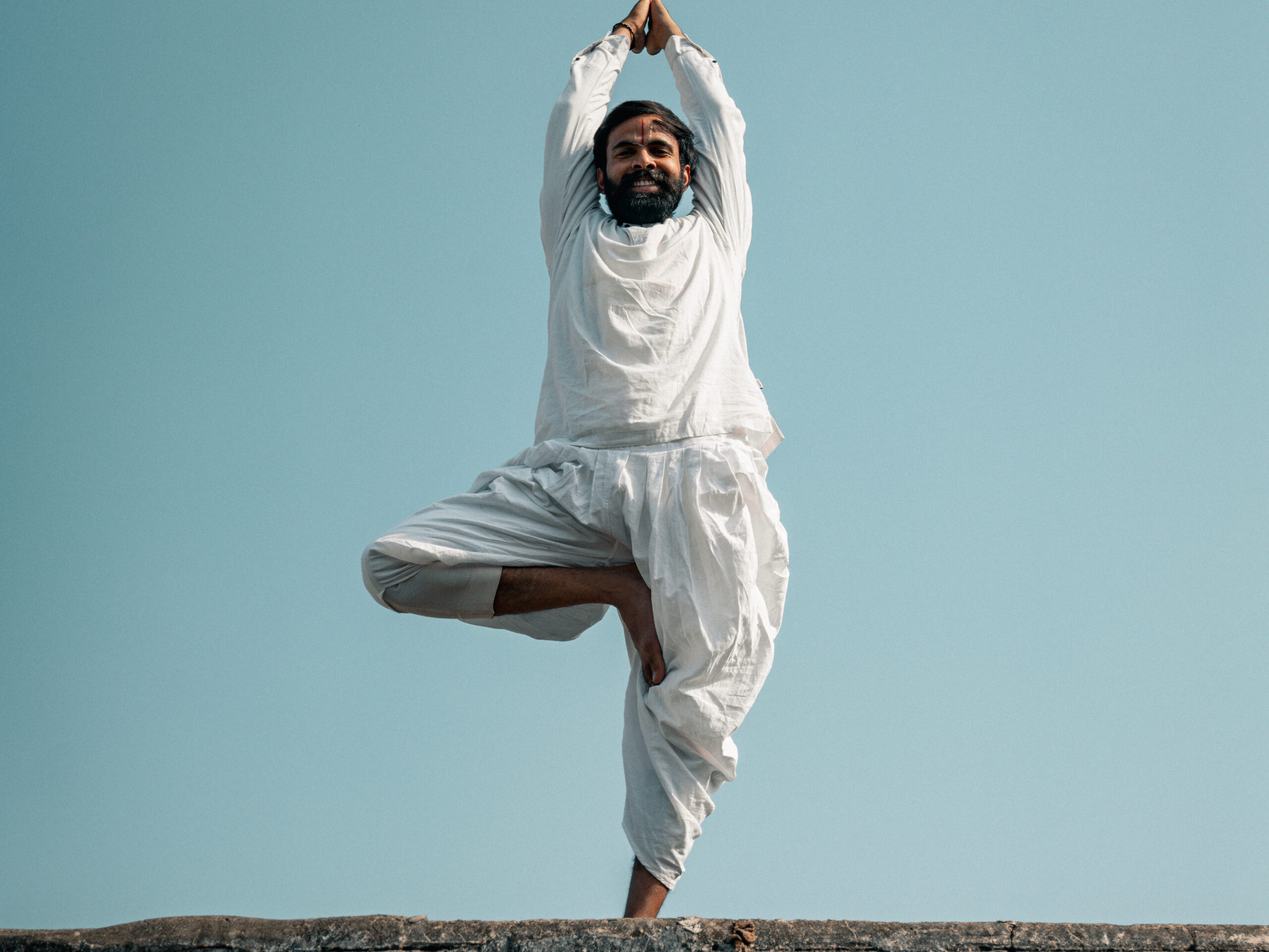
At Sanatan Yog, experienced teachers introduce every step gradually so students can build confidence without rushing. This approach reduces the risk of poor technique while helping practitioners experience the full benefits of traditional yoga.
Build a Strong Foundation
Learning the correct method from the beginning creates a safer practice and makes long-term progress much easier.
How to Practise This Sequence Correctly
Learning the correct technique is more important than completing many rounds. Beginners should move slowly, maintain steady breathing, and focus on proper alignment instead of speed. Every posture should flow naturally into the next without forcing the body into deep stretches.
As flexibility and strength improve, the movements become smoother and more comfortable. Practising with patience helps reduce the risk of injury while building confidence over time.
Focus on Quality Before Quantity
A few mindful rounds performed correctly are far more beneficial than many rushed repetitions.
Daily Practice Routine
A simple daily routine helps beginners build consistency without feeling overwhelmed. Start with a short session and gradually increase the duration as your body adapts.
| Practice | Duration | Purpose |
|---|---|---|
| Gentle Warm-up | 5 Minutes | Prepare muscles and joints |
| Surya Namaskar Practice | 10–20 Minutes | Build strength and flexibility |
| Pranayama | 5 Minutes | Improve breathing awareness |
| Meditation | 5 Minutes | Enhance focus and relaxation |
| Shavasana | 5–10 Minutes | Support recovery and relaxation |
Best Time to Practise Surya Namaskar
Morning is traditionally considered the ideal time to practise Surya Namaskar because it helps awaken the body and prepares the mind for the day ahead. Fresh morning air and a peaceful environment make the experience even more refreshing.
If morning practice is not possible, you can still perform the sequence later in the day. Try to practise on an empty stomach or wait at least two to three hours after a meal.
Consistency Brings Better Results
Choosing a regular time each day helps turn yoga into a lasting habit.
How Many Rounds Should Beginners Perform?
There is no fixed number that suits everyone. Your age, fitness level, and experience all influence how much practice feels comfortable.
Beginners should concentrate on learning correct posture before increasing repetitions. As stamina improves, the number of rounds can gradually increase.
| Experience Level | Recommended Rounds |
|---|---|
| Beginner | 4–6 Rounds |
| Intermediate | 6–12 Rounds |
| Advanced | 12–24 Rounds (with guidance) |
Common Mistakes During Surya Namaskar
Even a well-known yoga sequence can lose its effectiveness when performed incorrectly. Many beginners move too quickly, forget to coordinate their breathing, or try to stretch beyond their current flexibility.
Correct alignment and controlled movement produce better long-term results than speed.
Avoid These Common Errors
| Mistake | Better Approach |
|---|---|
| Rushing through the sequence | Maintain a steady rhythm |
| Holding the breath | Breathe naturally with each movement |
| Skipping the warm-up | Prepare the body first |
| Forcing deep stretches | Stay within a comfortable range |
| Ignoring posture | Focus on proper alignment |
Who Should Practise with Extra Care?
Although Surya Namaskar is suitable for many healthy adults, some individuals should seek guidance before beginning a new yoga routine. People recovering from injuries, those with severe back or joint conditions, or anyone advised by a healthcare professional to limit physical activity should practise under expert supervision.
Pregnant women may also need modified yoga practices depending on their stage of pregnancy and individual health needs.
Safety Always Comes First
Listen to your body. If you experience pain or unusual discomfort, stop practising and consult a qualified yoga teacher or healthcare professional.
Why Learn at Sanatan Yog?
At Sanatan Yog, students learn traditional Hatha Yoga in a structured and supportive environment. Every class focuses on correct alignment, mindful breathing, and safe movement rather than simply completing the sequence.
Experienced teachers provide individual guidance, helping beginners build confidence while allowing experienced practitioners to refine their technique. This balanced approach makes learning enjoyable, safe, and sustainable.
Learn the Traditional Way
Authentic teaching helps students understand not only the movements but also the deeper principles of yoga that support lifelong health and well-being.
Frequently Asked Questions
Surya Namaskar is a traditional sequence of twelve yoga postures performed with coordinated breathing to improve flexibility, strength, balance, and overall wellness.
Yes. Beginners can start with a few rounds while learning proper posture and breathing from a qualified instructor.
For most healthy adults, regular daily practice is suitable when performed with correct technique and adequate rest.
Yes. Consistent practice helps improve mobility, posture, balance, and muscle flexibility over time.
A beginner can complete a comfortable practice in 20–30 minutes, including warm-up, breathing exercises, and relaxation.
Conclusion
Surya Namaskar is much more than a series of yoga postures. It is a complete mind-body practice that combines movement, breathing, awareness, and discipline into one balanced routine. When practised regularly, it supports flexibility, strength, posture, coordination, and mental clarity while encouraging a healthier lifestyle.
At Sanatan Yog, students learn this traditional practice through authentic Hatha Yoga teachings under experienced guidance. By focusing on correct technique, mindful breathing, and steady progress, practitioners can enjoy lasting physical and mental benefits while building a strong foundation for their yoga journey.
