

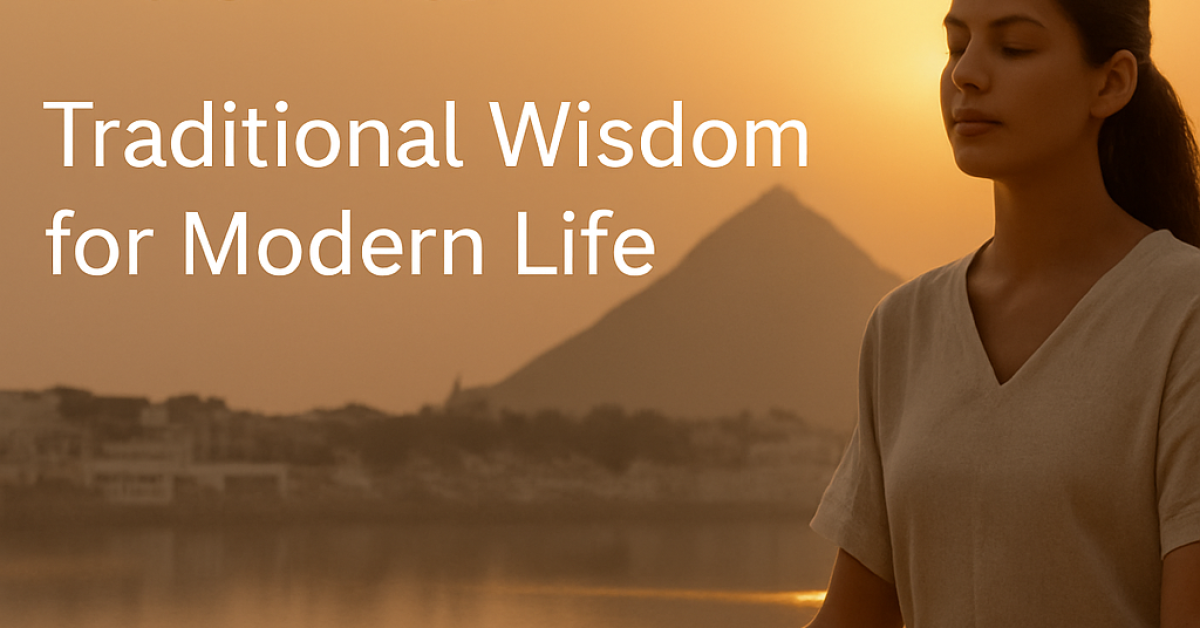
Yoga is much more than physical exercise. It is a complete system of living that encourages balance, self-discipline, and inner awareness. The Philosophy of Yoga explains how the body, mind, and inner self work together to support a meaningful life.
For centuries, these teachings have guided people towards healthier habits, thoughtful actions, and lasting peace of mind. Today, they continue to offer practical guidance for everyday life.
What Is Yoga Philosophy?
The Philosophy of Yoga forms the foundation of traditional yoga. It explains that yoga is not limited to postures or breathing techniques. Instead, it presents a practical way of living based on awareness, discipline, and ethical values.
By following these teachings, practitioners gradually develop emotional balance, mental clarity, and a deeper understanding of themselves.
Ancient Origins
The roots of yoga philosophy can be traced to ancient India. Its ideas are preserved in respected scriptures such as the Vedas, Upanishads, the Bhagavad Gita, and the Yoga Sutras of Sage Patanjali.
These texts describe yoga as a lifelong practice that supports personal growth through knowledge, discipline, and mindful living.
| Ancient Text | Contribution |
|---|---|
| Vedas | Early spiritual knowledge |
| Upanishads | Self-awareness and wisdom |
| Bhagavad Gita | Duty and balanced living |
| Yoga Sutras | Practical guidance for yoga |
Purpose of These Teachings
The purpose of the Philosophy of Yoga is to help people develop harmony in daily life. Rather than escaping responsibilities, it encourages individuals to perform them with honesty, patience, and awareness.
This traditional approach also promotes self-improvement through regular practice and thoughtful decision-making.
The Eight Limbs of Yoga
One of the most respected teachings in classical yoga is the Eight Limbs, also called Ashtanga Yoga. These eight principles provide a practical framework for personal development and mindful living.
Each limb builds upon the previous one, helping practitioners progress step by step through consistent effort.
| Eight Limbs | Purpose |
|---|---|
| Yama | Ethical behaviour |
| Niyama | Personal discipline |
| Asana | Stable posture |
| Pranayama | Breath regulation |
| Pratyahara | Sense control |
| Dharana | Concentration |
| Dhyana | Meditation |
| Samadhi | Complete absorption |
Why These Teachings Remain Relevant
Modern life often brings constant distractions and pressure. Traditional yogic teachings encourage people to slow down, remain present, and respond thoughtfully instead of reacting emotionally.
These values support healthier relationships, better focus, and a more balanced lifestyle in both personal and professional life.
Bringing Yogic Wisdom into Everyday Life
The Philosophy of Yoga is not limited to the yoga mat. Its principles can be practised while working, studying, caring for family, or serving the community.
Simple actions such as speaking honestly, showing kindness, and completing responsibilities with care reflect the true spirit of traditional yoga.
| Everyday Habit | Practical Benefit |
|---|---|
| Honest Communication | Build trust |
| Mindful Breathing | Improve awareness |
| Daily Yoga Practice | Develop discipline |
| Respect for Others | Strengthen relationships |
| Positive Thinking | Support emotional well-being |
Building a Strong Foundation
Learning yoga philosophy helps practitioners understand the deeper purpose behind physical practice. Asanas, breathing exercises, and meditation become more meaningful when supported by ethical values and self-discipline.
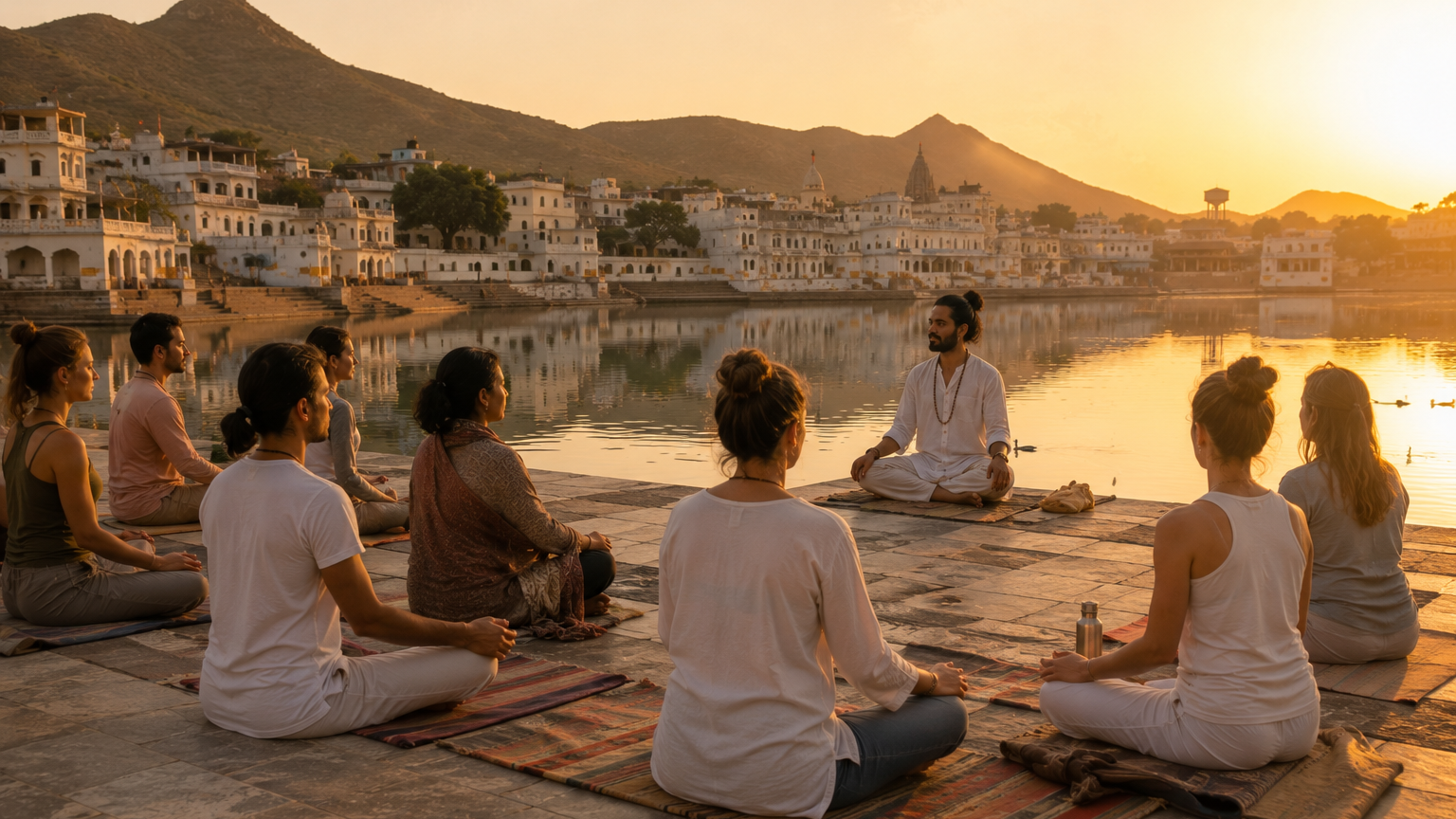
A strong foundation encourages lifelong learning and helps people experience yoga as a complete way of life instead of only a form of exercise.
Benefits of Following Yoga Philosophy
Living according to traditional yogic principles supports both physical and mental well-being. These teachings encourage people to make thoughtful decisions, remain patient during challenges, and develop healthy daily habits.
With regular practice, many people experience greater emotional balance, improved focus, and a stronger sense of purpose in everyday life.
| Benefit | How It Helps |
|---|---|
| Mental Clarity | Supports better decision-making |
| Emotional Balance | Helps manage daily stress |
| Better Focus | Improves concentration |
| Healthy Relationships | Encourages respect and kindness |
| Positive Lifestyle | Builds lasting healthy habits |
Applying These Teachings in Daily Life
The ideas found in traditional yoga are practical and easy to apply. They are not limited to a yoga studio or meditation hall. Every responsibility can become an opportunity to practise awareness and discipline.
Simple habits such as speaking honestly, completing work with dedication, and treating others with respect help create a balanced and meaningful life.
| Everyday Activity | Practical Application |
|---|---|
| Office Work | Perform duties with honesty |
| Studies | Learn with focus and discipline |
| Family Life | Show patience and understanding |
| Yoga Practice | Stay mindful during every session |
| Community Service | Help others with kindness |
Relationship with Physical Yoga Practice
Understanding the Philosophy of Yoga makes physical practice more meaningful. Yoga postures, breathing exercises, and meditation become stronger when they are supported by discipline, awareness, and ethical values.
This balanced approach allows practitioners to experience yoga as a complete lifestyle instead of viewing it only as physical exercise.
Learning Traditional Yoga at Sanatan Yog
Sanatan Yog offers authentic yoga education in the peaceful surroundings of Pushkar, Rajasthan. Students learn traditional asana practice, pranayama, meditation, and classical yogic teachings under the guidance of experienced instructors.
The learning environment encourages steady progress while helping students understand the deeper purpose behind every practice.
Simple Habits for a Balanced Life
Developing healthy habits begins with consistency. Small actions performed every day often create meaningful long-term results.
Taking time to breathe consciously, maintaining discipline, and showing compassion towards others gradually strengthen both character and inner balance.
| Daily Habit | Positive Result |
|---|---|
| Stay Present | Improve awareness |
| Follow a Routine | Build consistency |
| Practise Kindness | Strengthen relationships |
| Learn Continuously | Deepen understanding |
| Stay Disciplined | Support personal growth |
Frequently Asked Questions
The Philosophy of Yoga explains the traditional principles that guide balanced living through self-discipline, awareness, ethical values, and personal growth.
Yes. Beginners can understand these teachings through regular practice, mindful living, and guidance from experienced teachers.
Important texts include the Yoga Sutras of Sage Patanjali, the Bhagavad Gita, the Upanishads, and the Vedas.
They encourage patience, honesty, discipline, and mindful decision-making, making everyday life more balanced and purposeful.
Sanatan Yog in Pushkar offers authentic yoga programmes that combine traditional practice with yogic philosophy, meditation, and pranayama.
Conclusion
The Philosophy of Yoga offers practical guidance for living with awareness, discipline, and balance. Its timeless principles help people develop healthy habits, thoughtful actions, and a calm state of mind.
When combined with regular yoga practice, these teachings create a complete approach to well-being. At Sanatan Yog, students learn authentic yoga through traditional methods that support both personal growth and lifelong learning.
