

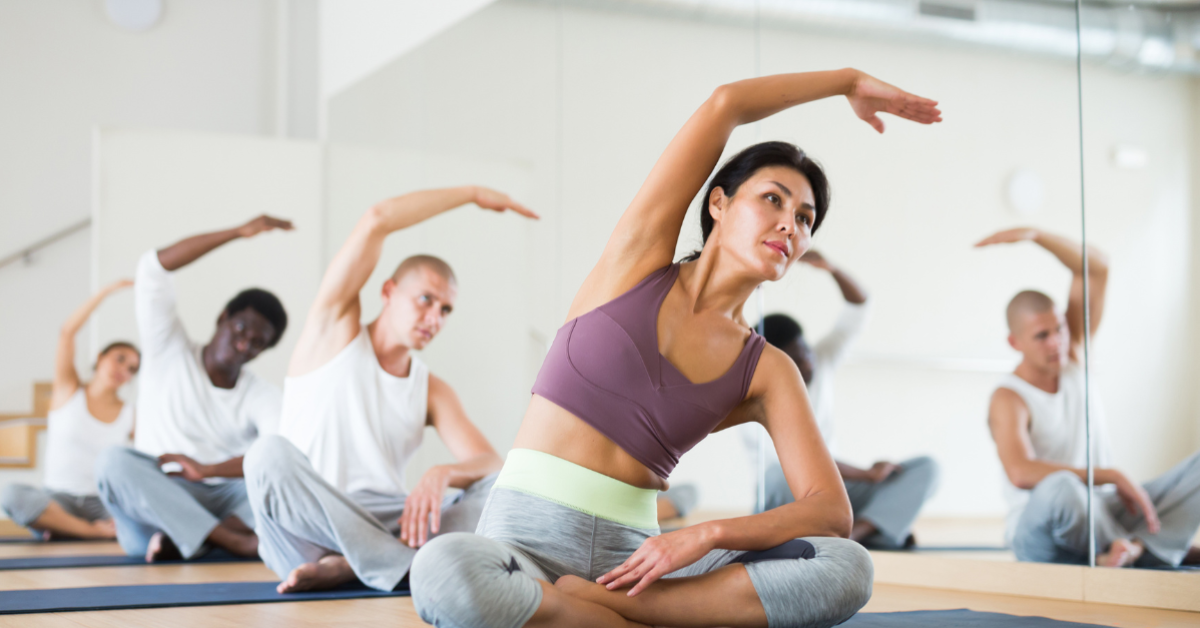
Yoga is one of the oldest wellness traditions in the world, yet it continues to evolve to meet the needs of modern life. Some people practice yoga to improve flexibility, while others seek better mental health, stress relief, or spiritual growth. With so many styles available today, beginners often wonder which practice is right for them. Understanding the Different Types Of Yoga helps you choose a style that matches your goals, fitness level, and lifestyle.
At Sanatan Yog, yoga is taught through authentic Indian traditions, with a strong focus on Hatha Yoga as the foundation for safe and balanced learning. Once students understand the basics, they can confidently explore other yoga styles while maintaining proper alignment, breathing, and awareness.
Why Are There Different Types of Yoga?
Yoga has been practiced in India for thousands of years. As it spread across different regions and cultures, teachers developed various methods to meet the needs of different practitioners. While each style has its own approach, the purpose remains the same—to create harmony between the body, mind, and breath.
Some forms focus on gentle movement and relaxation, while others emphasise strength, endurance, or meditation. Knowing these differences helps beginners start with the right practice instead of choosing a style that feels too challenging.
Every Style Shares the Same Foundation
Although yoga styles may look different, they all encourage mindful movement, controlled breathing, and greater self-awareness. These principles remain at the heart of authentic yoga practice.
Hatha Yoga: The Best Place for Beginners
Among the Different Types Of Yoga, Hatha Yoga is widely considered the ideal starting point. It introduces students to basic postures, breathing techniques, and relaxation practices at a comfortable pace. Instead of rushing through movements, Hatha Yoga encourages correct alignment and mindful breathing.
This steady approach allows beginners to build confidence while improving flexibility, posture, balance, and body awareness. It also creates a strong foundation for exploring other yoga styles in the future.
Why Beginners Love Hatha Yoga
Because classes move at a slower pace, students have enough time to understand each posture correctly. This reduces the risk of injury while helping develop better technique.
Popular Types of Yoga at a Glance
Choosing the right yoga style becomes easier when you understand how each practice differs. The table below provides a simple comparison.
| Yoga Style | Best For | Intensity |
|---|---|---|
| Hatha Yoga | Beginners and daily wellness | Gentle |
| Vinyasa Yoga | Fitness and dynamic movement | Moderate |
| Ashtanga Yoga | Strength and discipline | High |
| Iyengar Yoga | Alignment and precision | Gentle to Moderate |
| Kundalini Yoga | Energy and meditation | Moderate |
| Yin Yoga | Flexibility and relaxation | Gentle |
| Restorative Yoga | Recovery and stress relief | Very Gentle |
Vinyasa Yoga: Flow with Every Breath
Vinyasa Yoga connects movement with breathing, creating a smooth flow from one posture to the next. Unlike Hatha Yoga, where poses are held for longer periods, Vinyasa focuses on continuous movement and rhythm.
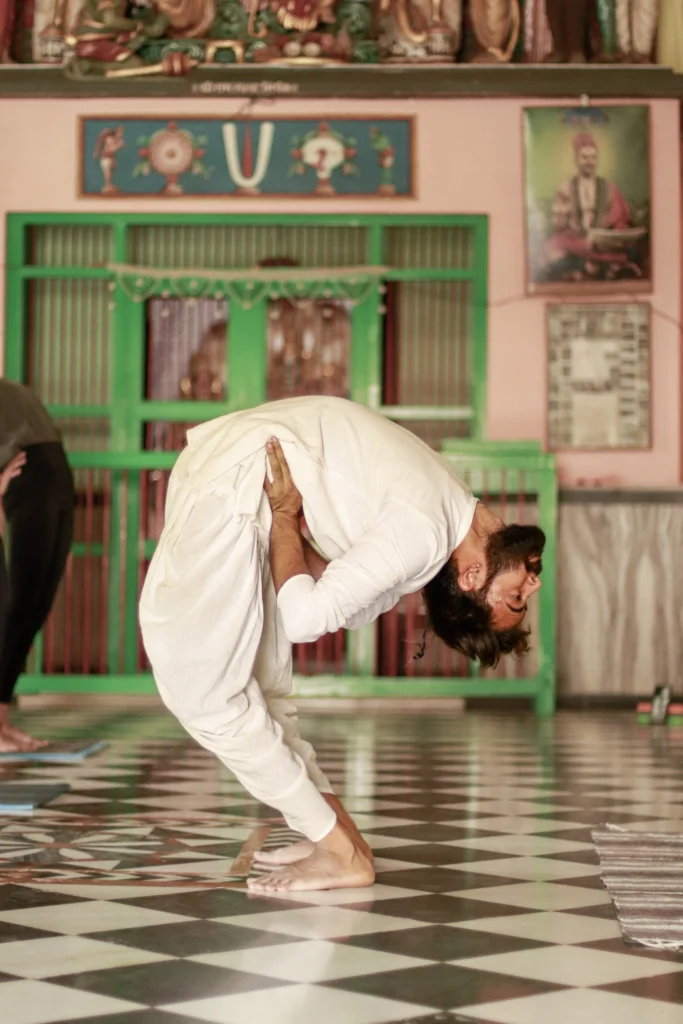
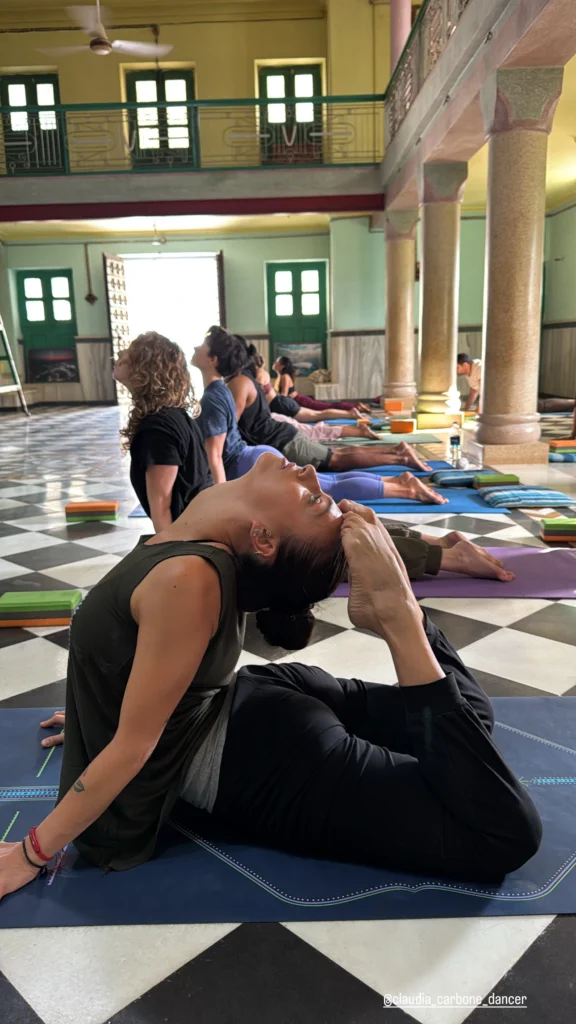
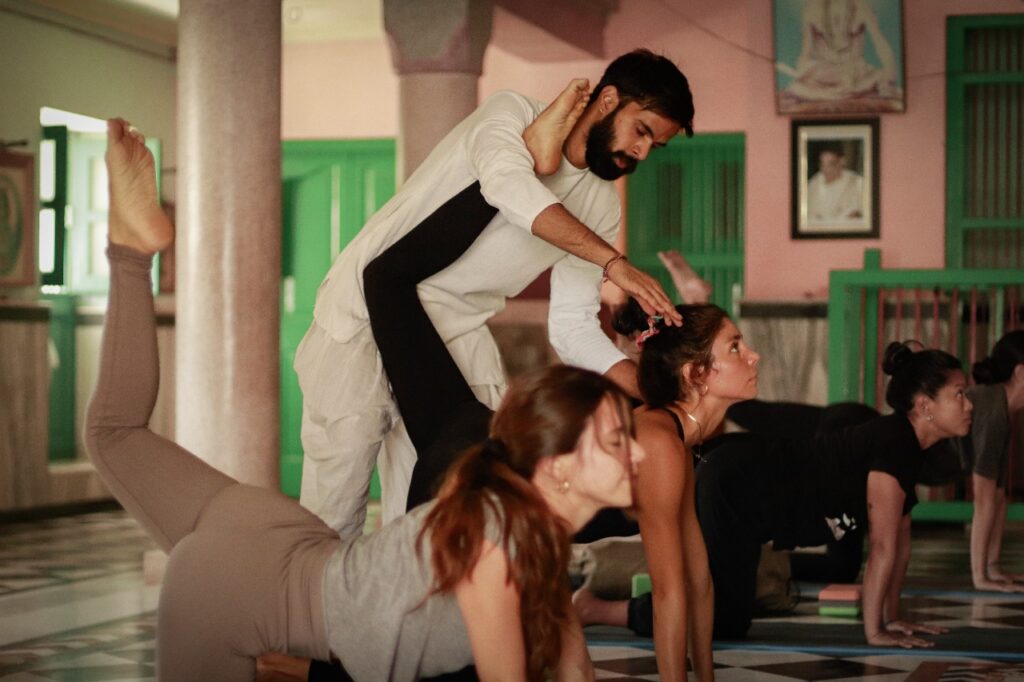
People who enjoy active workouts often appreciate Vinyasa because it improves stamina, coordination, and cardiovascular fitness while maintaining the mindfulness that yoga is known for.
A Dynamic Style of Practice
Each class may include different sequences, making every session unique and engaging for practitioners who enjoy variety.
Ashtanga Yoga: A Structured and Disciplined Practice
Ashtanga Yoga follows a fixed sequence of postures performed in a specific order. It requires strength, endurance, flexibility, and consistent practice. Because the sequence remains the same, students can gradually track their progress over time.
Although beginners can learn Ashtanga under proper guidance, many people choose to start with Hatha Yoga before progressing to this more demanding style.
Build Strength Through Consistency
Regular practice helps develop physical endurance while improving concentration and self-discipline.
Iyengar Yoga: Precision in Every Posture
Iyengar Yoga places great importance on correct alignment. Teachers often use props such as yoga blocks, straps, bolsters, and chairs to help students perform postures safely and comfortably.
This style is especially helpful for beginners, older adults, and people recovering from injuries because it focuses on stability rather than speed.
Every Detail Matters
Small adjustments in posture can improve comfort, reduce strain, and make each pose more effective.
Kundalini Yoga: Awakening Inner Awareness
Kundalini Yoga combines physical postures, breathing exercises, meditation, chanting, and relaxation. Its goal is to develop energy, awareness, and emotional balance while strengthening the connection between body and mind.
Many practitioners choose Kundalini Yoga because it supports personal growth alongside physical wellness.
A Practice for Mind and Body
Kundalini encourages mindfulness and inner awareness while helping practitioners feel calmer and more focused in daily life.
Yin Yoga: Slow Practice for Deep Relaxation
Among the Different Types Of Yoga, Yin Yoga is one of the most calming styles. Instead of moving continuously, practitioners hold each posture for several minutes. This gentle approach allows the body to release tension while improving flexibility in the hips, spine, and connective tissues.
Yin Yoga is especially helpful for people with busy schedules who want to slow down and give both the body and mind time to recover. The practice encourages patience, mindfulness, and steady breathing throughout each posture.
Slow Down to Feel Better
Holding simple poses for longer periods teaches the body to relax naturally while improving mobility over time.
Restorative Yoga: A Practice for Complete Recovery
Restorative Yoga focuses on relaxation rather than physical effort. Soft props such as bolsters, cushions, and blankets support the body so practitioners can remain comfortable in each posture.
This style is ideal for people recovering from fatigue, managing stress, or returning to yoga after illness or injury. Gentle breathing and stillness help calm the nervous system and promote deep relaxation.
Relaxation Is Part of Good Health
Sometimes the body needs rest more than activity. Restorative Yoga reminds us that recovery plays an important role in overall well-being.
Which Type of Yoga Is Best for Beginners?
With so many options available, beginners often wonder where to start. While every yoga style has unique benefits, Hatha Yoga is widely recommended because it teaches proper alignment, breathing, and body awareness at a comfortable pace.
Once you develop confidence through Hatha Yoga, exploring styles such as Vinyasa, Yin, or Kundalini becomes much easier. Building a strong foundation first allows you to practice safely and enjoy long-term progress.
Begin with the Basics
Learning correct posture, breathing, and movement creates habits that support every other style of yoga.
Which Yoga Style Matches Your Goal?
| Your Goal | Recommended Yoga Style |
|---|---|
| Learn the basics | Hatha Yoga |
| Improve flexibility | Yin Yoga |
| Increase fitness | Vinyasa Yoga |
| Build strength | Ashtanga Yoga |
| Reduce stress | Restorative Yoga |
| Improve concentration | Kundalini Yoga |
| Correct posture | Iyengar Yoga |
Benefits of Exploring Different Types of Yoga
Trying different styles allows you to discover what works best for your body and lifestyle. Some people enjoy energetic sessions, while others prefer slower, meditative practices. Exploring different approaches also keeps your yoga journey interesting and balanced.
Regardless of the style you choose, regular practice supports better posture, flexibility, breathing, and emotional well-being. The most important step is finding a practice you can enjoy consistently.
One Practice, Many Benefits
There is no single yoga style that suits everyone. The best choice is the one that helps you stay committed while supporting your personal health goals.
Benefits of Different Yoga Styles
| Yoga Style | Key Benefits |
|---|---|
| Hatha Yoga | Balance, flexibility, posture, relaxation |
| Vinyasa Yoga | Stamina, coordination, cardiovascular fitness |
| Ashtanga Yoga | Strength, endurance, discipline |
| Iyengar Yoga | Alignment, stability, injury prevention |
| Kundalini Yoga | Awareness, breathing, meditation |
| Yin Yoga | Flexibility, joint mobility, stress reduction |
| Restorative Yoga | Recovery, relaxation, improved sleep |
Why Learn Different Types of Yoga at Sanatan Yog?
At Sanatan Yog, students begin with the strong foundation of traditional Hatha Yoga before exploring other styles. This approach ensures every practitioner understands correct alignment, mindful breathing, and safe movement before progressing to more specialised practices.
Experienced teachers provide personal guidance based on individual goals and ability levels. Whether your focus is better health, stress relief, flexibility, or becoming a yoga instructor, each class combines traditional knowledge with practical learning.
Build a Strong Foundation First
Learning yoga step by step makes every practice safer, more enjoyable, and more effective. A strong foundation supports lifelong learning and steady progress.
Frequently Asked Questions
There are many yoga styles practiced around the world. Some of the most popular include Hatha Yoga, Vinyasa Yoga, Ashtanga Yoga, Iyengar Yoga, Kundalini Yoga, Yin Yoga, and Restorative Yoga.
Hatha Yoga is generally considered the best starting point because it teaches basic postures, breathing techniques, and correct alignment at a slower pace.
Yin Yoga, Restorative Yoga, and Hatha Yoga are excellent choices for reducing stress, improving relaxation, and supporting mental well-being.
Yes. Many practitioners combine different styles based on their goals. For example, you may practice Hatha Yoga during the week and enjoy Restorative Yoga for relaxation on weekends.
Yin Yoga and Hatha Yoga are both effective for improving flexibility. Regular practice helps increase mobility while reducing stiffness over time.
Conclusion
Understanding the Different Types Of Yoga helps you choose a practice that matches your lifestyle, fitness level, and personal goals. Whether you prefer the steady pace of Hatha Yoga, the flowing movements of Vinyasa, the discipline of Ashtanga, or the deep relaxation of Yin and Restorative Yoga, every style offers unique benefits while sharing the same purpose—creating harmony between the body, mind, and breath.
At Sanatan Yog, students are guided through authentic Hatha Yoga before exploring other yoga traditions. This balanced approach builds confidence, improves technique, and creates a strong foundation for lifelong practice. By choosing the style that suits your needs and practicing consistently, yoga can become a valuable part of your daily life, supporting better health, greater awareness, and lasting well-being.
