

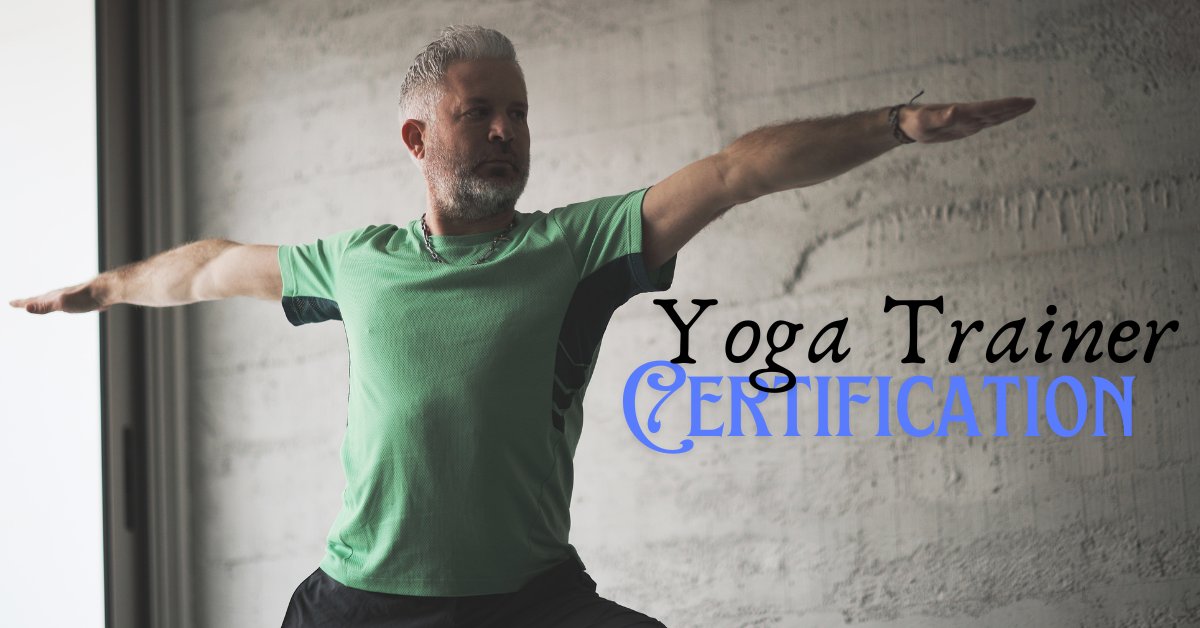
Yoga has become one of the fastest-growing wellness professions across the world. As more people recognise the value of traditional yoga for physical health, mental well-being, and mindful living, the demand for qualified yoga teachers continues to grow. Choosing a Certified Yoga Instructor Course is the first step towards building the knowledge, confidence, and practical teaching skills needed to guide others safely and professionally.
At Sanatan Yog, yoga is taught as a complete discipline rooted in authentic Indian traditions. Students not only learn Hatha Yoga postures but also develop a deeper understanding of pranayama, meditation, yoga philosophy, anatomy, alignment, and teaching methodology. This balanced approach prepares future instructors to teach with confidence while respecting the true essence of yoga.
Why Are More People Choosing a Yoga Instructor Course?
Many people begin practicing yoga to improve their own health, but over time they discover a desire to share its benefits with others. Becoming a certified yoga instructor offers an opportunity to turn that passion into a meaningful profession while continuing your own personal growth.
Today, yoga teachers are needed in wellness centres, fitness studios, schools, retreat centres, corporate organisations, resorts, and private coaching environments. As awareness about holistic health continues to increase, professionally trained instructors are finding opportunities both in India and internationally.
A Career That Creates Positive Change
Teaching yoga is more than demonstrating postures. It involves helping students build healthier habits, improve confidence, and develop balance in everyday life.
What Is a Certified Yoga Instructor Course?
A Certified Yoga Instructor Course is a structured training programme designed to prepare students for teaching yoga safely and effectively. It combines practical sessions with theoretical knowledge so that graduates understand both the physical and philosophical aspects of yoga.
Rather than focusing only on flexibility or advanced poses, the course develops teaching skills, communication, sequencing, observation, and the ability to guide students of different ages and experience levels.
Learn More Than Yoga Poses
Professional instructor training helps you understand why each posture is practiced, how breathing supports movement, and how to adapt classes for beginners and advanced students alike.
Who Should Join This Course?
One of the greatest advantages of a Certified Yoga Instructor Course is that it welcomes learners from many different backgrounds. You do not need years of experience to begin. A willingness to learn, practice consistently, and understand traditional yoga is far more important.
Whether you want to become a full-time yoga teacher, add yoga to your wellness career, or simply deepen your personal practice, this course provides a strong foundation.
The Course Is Suitable For
| Learner | Why It Is a Good Choice |
|---|---|
| Beginners | Build a strong foundation in traditional yoga |
| Yoga Practitioners | Deepen knowledge and teaching skills |
| Fitness Professionals | Expand career opportunities |
| Wellness Coaches | Add yoga to existing services |
| Health Enthusiasts | Learn authentic yoga for lifelong practice |
What Will You Learn During the Course?
A quality Certified Yoga Instructor Course covers much more than physical practice. Students gradually develop the confidence to teach complete yoga sessions while understanding the purpose behind every technique.
Training combines traditional knowledge with practical teaching experience, ensuring graduates are prepared for real classroom situations.
Core Areas of Learning
Students receive guidance in posture alignment, breathing techniques, meditation, yoga philosophy, anatomy, classroom management, sequencing, and teaching practice. Regular feedback from experienced teachers helps improve confidence throughout the programme.
Course Modules at a Glance
| Module | What You Will Learn |
|---|---|
| Hatha Yoga | Traditional postures, alignment, and safe practice |
| Pranayama | Breathing techniques for balance and awareness |
| Meditation | Concentration, mindfulness, and relaxation practices |
| Yoga Philosophy | Traditional yogic principles and lifestyle |
| Anatomy & Physiology | Understanding the body during yoga practice |
| Teaching Methodology | Class planning, cueing, observation, and communication |
Why Traditional Hatha Yoga Forms the Foundation
Most recognised yoga instructor programmes begin with Hatha Yoga because it develops correct alignment, body awareness, breathing coordination, and steady practice. Instead of rushing through movements, students learn to understand every posture carefully before teaching others.
This traditional approach creates instructors who value safety, patience, and proper technique. It also builds confidence because students first master the fundamentals before progressing to more advanced practices.
Learn the Right Way from the Beginning
Strong teaching starts with strong fundamentals. A clear understanding of posture, breath, and alignment helps future instructors guide students with confidence and care.
Practical Teaching Is an Essential Part of Training
Reading books alone cannot prepare someone to become a yoga teacher. Every Certified Yoga Instructor Course should include supervised teaching practice where students gradually learn how to instruct individuals and groups.
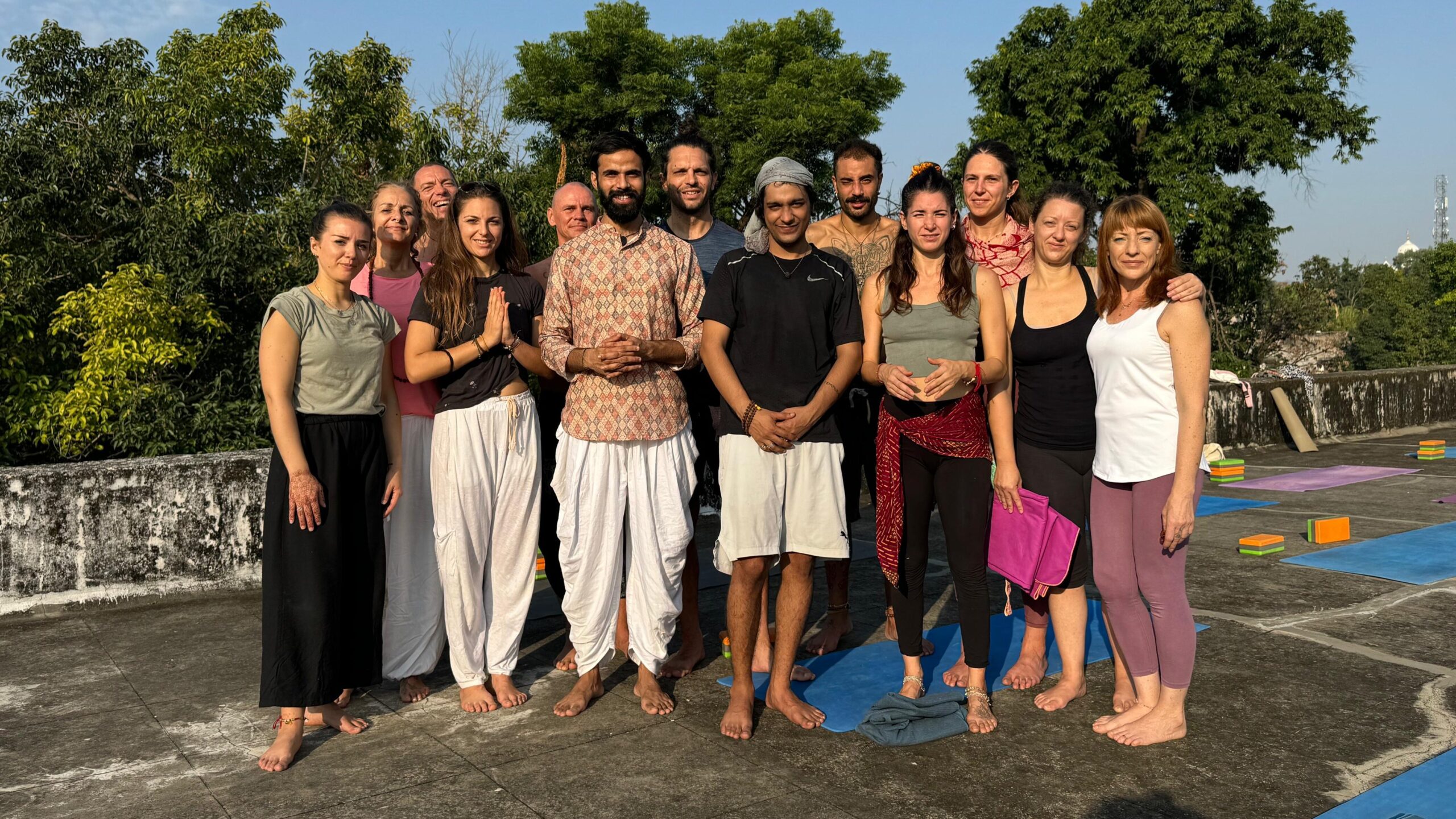
Teaching under the guidance of experienced mentors helps improve communication, observation, class management, and confidence. It also allows trainees to receive constructive feedback before leading their own classes professionally.
Experience Builds Confidence
Every practice session helps transform knowledge into real teaching ability. By the end of the course, students feel more comfortable demonstrating postures, giving verbal cues, and supporting learners with different abilities.
Career Opportunities After Completing the Course
Completing a Certified Yoga Instructor Course opens the door to a wide range of career opportunities. As awareness of holistic health continues to grow, trained yoga instructors are needed in many industries. Whether you prefer teaching in a studio, leading retreats, or offering private sessions, professional certification helps you build credibility and confidence.
Many graduates also choose to continue learning by specialising in areas such as prenatal yoga, therapeutic yoga, children’s yoga, or meditation. Continuous learning allows instructors to expand their skills while reaching a wider community.
Turn Your Passion into a Profession
Teaching yoga is a career built on service and personal growth. Every class gives you the opportunity to help others improve their physical health, emotional balance, and overall quality of life.
Career Paths for Certified Yoga Instructors
| Career Option | Where You Can Work |
|---|---|
| Yoga Studio Instructor | Yoga studios and wellness centres |
| Private Yoga Teacher | One-to-one personal sessions |
| Corporate Yoga Trainer | Offices and business organisations |
| School Yoga Instructor | Schools, colleges, and universities |
| Retreat Instructor | Yoga retreats and wellness resorts |
| Online Yoga Teacher | Live classes and digital learning platforms |
Why Learn Yoga in India?
India is the birthplace of yoga, making it one of the most respected destinations for authentic yoga education. Learning from experienced Indian teachers allows students to understand yoga beyond physical postures. Traditional training includes breathing techniques, meditation, philosophy, discipline, and mindful living.
Studying in India also gives students the opportunity to experience yogic traditions in their original cultural setting. This deeper understanding helps instructors teach with greater authenticity and confidence.
Learn from Authentic Traditions
Training in India provides direct exposure to centuries-old yogic knowledge that continues to inspire practitioners from around the world.
How to Choose the Right Yoga Instructor Course
Not every training programme follows traditional teaching methods. Before enrolling, it is important to evaluate the curriculum, teaching experience, practical training, and learning environment. A well-structured programme should prepare students for real teaching situations rather than only helping them perform yoga postures.
Choosing a school with experienced instructors, a balanced syllabus, and practical teaching sessions gives you a stronger foundation for a successful career.
What to Look For Before Enrolling
| Important Factor | Why It Matters |
|---|---|
| Experienced Teachers | Learn from qualified yoga professionals |
| Traditional Hatha Yoga | Build strong fundamentals |
| Practical Teaching Practice | Develop real classroom confidence |
| Yoga Philosophy | Understand the purpose behind every practice |
| Small Class Sizes | Receive personal guidance and feedback |
| Certification | Improve professional credibility |
Why Choose Sanatan Yog?
At Sanatan Yog, every Certified Yoga Instructor Course is designed to preserve the authenticity of traditional yoga while preparing students for modern teaching careers. Training combines Hatha Yoga, pranayama, meditation, yoga philosophy, anatomy, alignment, and supervised teaching practice under experienced instructors.
Students receive individual attention throughout the programme, allowing them to improve their technique, communication skills, and confidence. The focus is not only on earning a certificate but on becoming a knowledgeable, responsible, and inspiring yoga teacher.
Learn with Confidence
Sanatan Yog encourages every student to grow at a comfortable pace while developing the skills needed to teach safe, effective, and meaningful yoga classes.
Benefits of Becoming a Certified Yoga Instructor
Professional certification offers advantages that extend far beyond career opportunities. The knowledge gained during training supports both personal growth and professional development, helping instructors become lifelong learners.
Benefits at a Glance
| Benefit | Long-Term Value |
|---|---|
| Professional Certification | Greater trust and credibility |
| Teaching Skills | Confidence in leading classes |
| Traditional Knowledge | Deeper understanding of authentic yoga |
| Personal Practice | Better physical and mental well-being |
| Career Growth | More opportunities in the wellness industry |
Frequently Asked Questions
A Certified Yoga Instructor Course is a structured training programme that teaches Hatha Yoga, pranayama, meditation, yoga philosophy, anatomy, and teaching methodology to prepare students for professional instruction.
Yes. Many courses welcome beginners who are committed to learning and practicing regularly. Consistency and willingness to learn are more important than previous experience.
The duration depends on the programme. Some certification courses last a few weeks, while others are spread over several months to provide more detailed training and practical experience.
Yes. Certification improves your knowledge, teaching skills, and professional credibility. It also helps students feel confident learning from a trained instructor.
India is the birthplace of yoga and offers authentic training based on traditional teachings. Learning from experienced Indian teachers provides a deeper understanding of yoga beyond physical postures.
Conclusion
Choosing a Certified Yoga Instructor Course is an investment in both your personal growth and your professional future. A structured programme helps you develop the knowledge, practical teaching skills, and confidence needed to guide students safely while preserving the true spirit of yoga.
At Sanatan Yog, every course is rooted in the authentic traditions of Hatha Yoga while meeting the needs of modern learners. Through expert guidance, practical teaching experience, pranayama, meditation, and yoga philosophy, students graduate with the skills to inspire others and build a meaningful career in the growing field of yoga and holistic wellness.
